The ROI of Historic San Francisco Buildings: 1885 and Still Performing
Peter Kane
July 15, 2026 · 5 min read
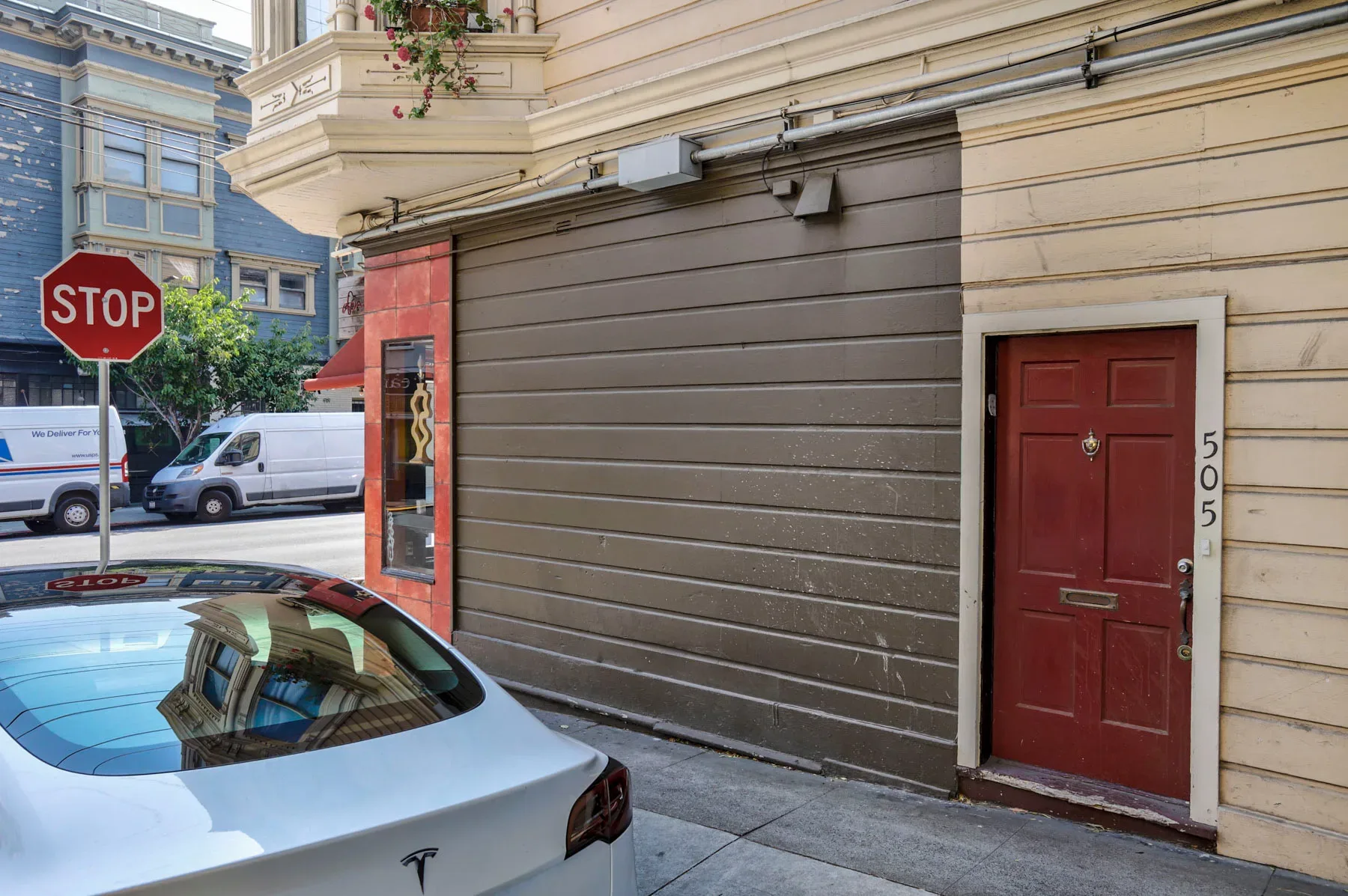
In a city where new construction faces years of entitlement, environmental review, and construction delays, San Francisco's existing historic building stock represents an irreplaceable asset. Buildings like the structures at 501-503 and 505-511 Laguna Street, constructed in 1885, offer investors something that money cannot buy in today's market: character, location, and a proven track record of performance.
Supply-Constrained by Design
San Francisco is one of the most supply-constrained real estate markets in the United States. The city's geography, strict zoning regulations, and lengthy approval processes make new development expensive and slow. For investors, this means existing buildings in prime locations carry an intrinsic scarcity premium.
A Victorian-era mixed-use building in Hayes Valley cannot be replicated. The combination of architectural character, street-level commercial activation, and residential units above creates a product type that is functionally impossible to build new in the same location at any reasonable cost basis. This scarcity is reflected in the property's performance: 100% occupancy with credit-rated tenants.
The 141-Year Track Record
Built in 1885, these structures have survived earthquakes, economic cycles, urban renewal, and a pandemic. That longevity is not incidental. It reflects the fundamental soundness of the buildings, the desirability of the location, and the enduring demand for mixed-use space in central San Francisco. When you evaluate a building that has performed for over a century, the question isn't whether the asset class works. It's how much income it can generate going forward.
Character as a Competitive Advantage
In the rental market, character commands premium rents. Tenants consistently choose well-maintained historic buildings with architectural details over generic new construction, particularly in neighborhoods like Hayes Valley where the Victorian aesthetic is part of the area's identity. The bay windows, hardwood floors, and original details in the Laguna Street apartments are features that modern construction cannot economically reproduce.
For commercial tenants, the same dynamic applies. A restaurant or bakery operating in a building with authentic San Francisco character benefits from the ambiance and street presence that a modern strip center simply cannot provide. The existing commercial tenants at 501-503 and 505-511 Laguna Street, including a credit-rated telecom tenant and active restaurant operations, demonstrate this demand in practice.
Investment Implications
The financial case for historic San Francisco buildings is straightforward. Limited supply, persistent demand, and location scarcity create a floor under property values. When those factors combine with a stabilized, income-producing asset like the Laguna Street property, the result is a 6.00% cap rate that represents genuine yield in a market where comparable returns are increasingly difficult to find.
For investors willing to look beyond new construction, historic properties offer a compelling blend of income, appreciation, and irreplaceable location value. After 141 years, 501-503 and 505-511 Laguna Street continues to prove that age, when paired with the right location and management, is not a liability. It is an asset.